VI
EN
中文
Book a tour
VI
EN
中文
Book a tour
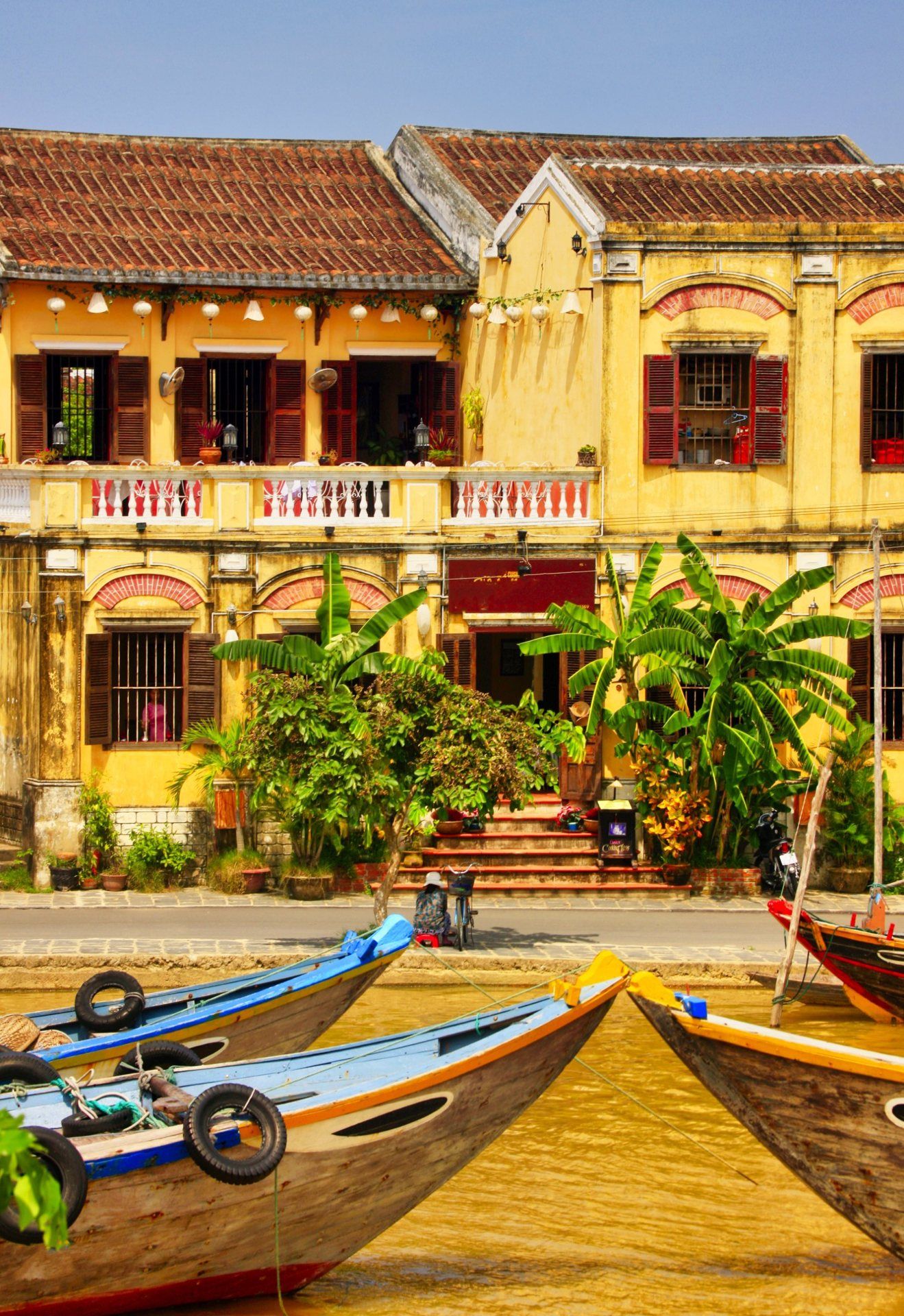
Hoi An was one of Southeast Asia’s busiest ports in the 16th and 17th centuries, when Japanese, Chinese and European merchants came for silk, ceramics and spices. When the river silted up, trade moved to Da Nang – and the town was simply left as it was. That is why its wooden shophouses, assembly halls and narrow lanes survive almost intact today, and why it is a UNESCO World Heritage Site.
A ticket (currently around 120,000 VND for international visitors) lets you enter five heritage sites of your choice and supports the town’s conservation. Inspectors check tickets at the entrances to the walking streets during the day. Keep it with you: each site you visit tears off one coupon.
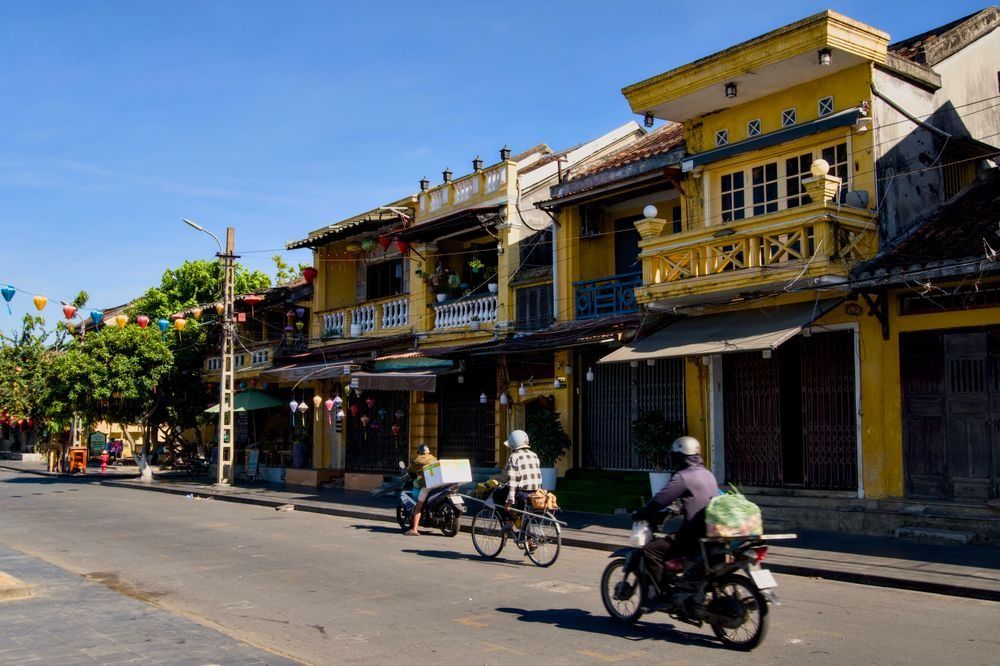
Between 10 am and 3 pm the old town is hot and busy with day-trippers from Da Nang. Visit at 6–8 am, when locals sweep their doorsteps and sip coffee, then come back after 5 pm for the lanterns. Staying overnight in Hoi An rather than visiting on a day trip makes all the difference.
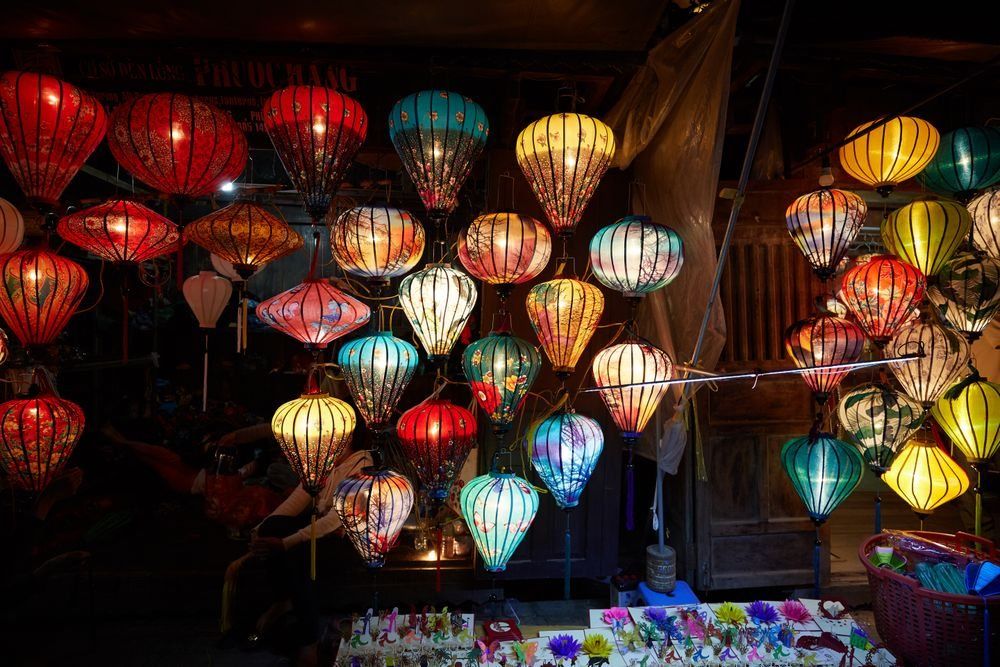
At dusk, walk to An Hoi island across the river for the best view back over the lantern-lit old town. Small boats will offer a 15-minute ride to release a paper lantern on the water – agree the price before you step in. The night market on Nguyen Hoang Street is good for silk lanterns that fold flat for your suitcase.
Hoi An’s tailors can make a suit or dress in 24–48 hours. Bring a photo of what you want, go for a first fitting the next day and allow time for adjustments. Cooking classes usually start with a market visit and a basket-boat ride, and end with a lunch you have cooked yourself. Popular day trips include My Son Sanctuary, the Cham Islands and the Marble Mountains.
Plan it with Anan Travel. Our Hoi An tours include the old town ticket, a local guide and a basket-boat ride. Browse our tours or send us your dates – a local planner replies within the day, and itinerary planning is always free.
Tags:
WRITTEN BY
Plan with a local
Get this itinerary tailored for you
Free planning and a clear quote within the day.
Request free itinerary
All articles