VI
EN
中文
Book a tour
VI
EN
中文
Book a tour
Central Vietnam has its own weather pattern, different from both Hanoi in the north and Ho Chi Minh City in the south. Getting the timing right can be the difference between perfect beach days and a week of rain. Here is how the year looks from Da Nang, Hoi An and Hue.
Temperatures sit around 23–28 °C, humidity is lower and the countryside is green after the winter rains. It is ideal for walking in Hoi An, exploring Hue and driving the Hai Van Pass. Tet (Lunar New Year) usually falls in late January or February: the towns are beautifully decorated, but some family-run shops close for a few days.
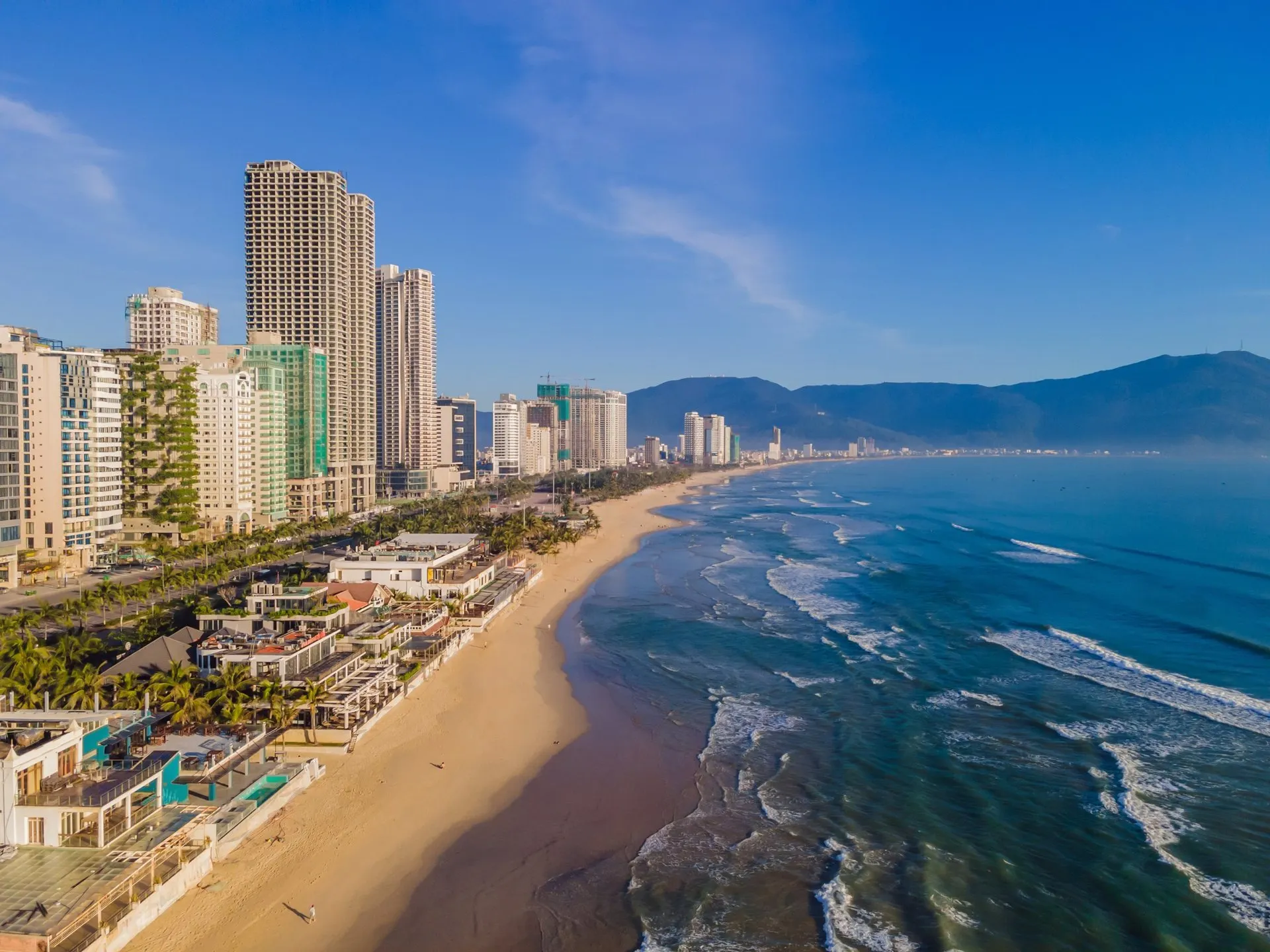
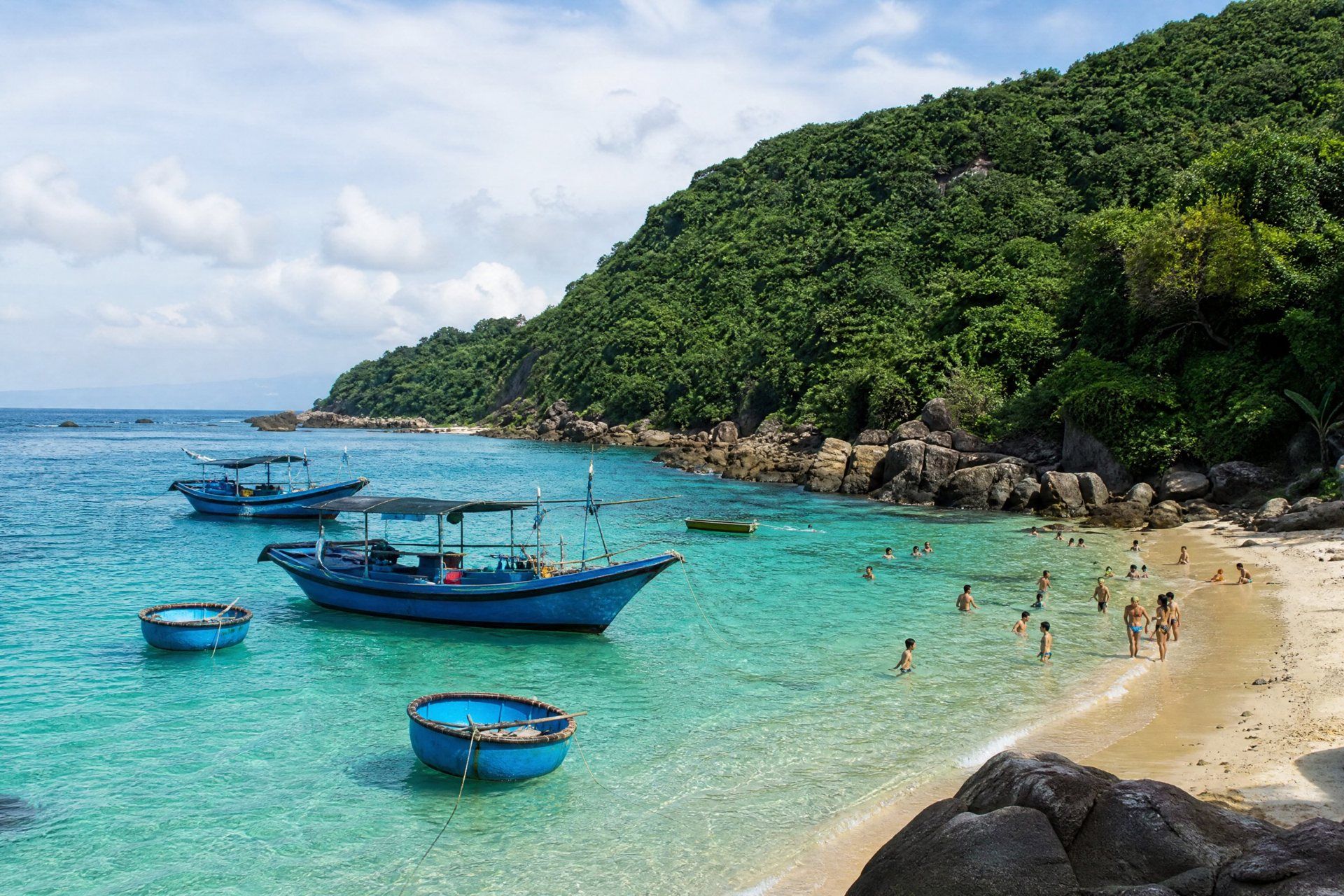
This is peak beach season, with calm, clear sea – perfect for My Khe Beach and the Cham Islands, which usually only open to boats from March to September. Days reach 33–36 °C, so plan sightseeing for early morning and late afternoon and rest at midday. Summer is also the busiest time for Vietnamese domestic travel, so book hotels early.
The heaviest rain falls from mid-September to early December. Storms can bring flooding to Hoi An’s riverside streets and close boat trips. That said, rain often comes in short, heavy bursts, prices are lower and the old town is quieter. If you travel in this period, keep your plans flexible – a local operator can switch days around when a storm is forecast.
January is cooler (18–24 °C) with some drizzle, which suits sightseeing in Hue and Hoi An. The sea is too rough and cold for most swimmers, so it is not the time for a beach holiday.

Plan it with Anan Travel. Not sure which month suits your trip? Tell us what you love doing and we will suggest the best dates. Browse our tours or send us your dates – a local planner replies within the day, and itinerary planning is always free.
Tags:
WRITTEN BY
Plan with a local
Get this itinerary tailored for you
Free planning and a clear quote within the day.
Request free itinerary
All articles